Donji Milanovac – Bela Crkva – Belgrade, Serbia
For a long time, the extent of my Serbia knowledge was the guy who assassinated Archduke Franz Ferdinand – the spark that ignited World War I. He was Serbian. Or, at least, that’s what I remember from my history class . . .
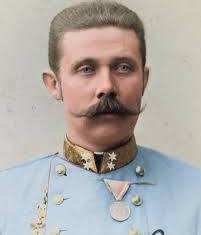
And then, I think one of my Grandpa’s political cronies was Serbian. He had a big mustache. This crony, combined with the picture of the Archduke, who wasn’t even Serbian, led me to think of all Serbians as having big mustaches. Not the deepest understanding of a culture, I guess. But that’s what I had to work with . . .
Of course, over the past 35 years or so, Serbia has gained some notoriety for sure. But even with that, I’m guessing there aren’t too many of us who have really followed the Balkans that closely over the years. For sure, bad things happened in Kosovo and in Bosnia. We all know that. But at least for me, I’m a little fuzzy on the details. The reality is that I’ve never really known much about these places or the people who live here. My only real context was Sarajevo; I had heard of Sarajevo because they hosted the Olympics.
And the Serbians – well, they seem to be kind of the bad boys of Europe. We all kind of know that. There was Slobodan Milosovic and the genocide of the Bosnians. Then there was whatever happened in Kosovo, which ultimately led to the NATO bombing of Serbia. And now Serbia seems to be supporting Russia. Also, as I’ve learned, the Croatians and the Serbs fought a bitter war in the early-90s and there doesn’t seem to be any love lost between Croatia and Serbia even today.
I recently read a book about what happened in Bosnia: The Bosnia List, by Kenan Trebincevic. The author, who is Muslim, was twelve years old when the war started there in the early-90s. The book is his memoir of the war, including his family’s escape to America, and his return trip to Bosnia some nineteen years later. The book doesn’t paint a great picture of Serbs, but one of the themes is that not all Serbs are bad – so there is that . . .
But my knowledge of all of this is pretty shallow.
So it was great to sit down with our new Serbian friend, Naned, and have him give us the Serbian perspective.
Let me share a little of what he shared with us . . .
First, Tito – Yugoslavia’s leader from just after World War II until he died in 1980. When we asked where Tito was from originally, Naned explained that people are not sure who Tito really was and where he came from. His early history is a bit murky. And the story goes that a man named Tito went to Russia before the war – but this other guy – who assumed the name Tito – came back from Russia. According to Naned, people felt that the person who became known as Tito never had a great grasp of any of the Yugoslav languages – which led to speculation that he might really have been a Russian agent of some kind.

As far as the Croats go, they were all Serbs originally, but some of them converted to Catholicism a few hundred years ago – at which point they basically forgot they were Serbs to begin with. Also, their language is “basically identical to Serbian” – but the Croats have made up some new words just to differentiate themselves.
This same premise applies to the Bosnian Muslims; they are just Serbs who converted to Islam “in order to get special benefits for themselves under the Ottomans.”
Only the Albanians are actually a different people. Nenad explained that it was unclear where they came from, but maybe somewhere in the far East . . .
According to Naned, there was no genocide of the Muslims in Bosnia. It is true that some rogue soldier took it upon himself to kill 8,000 Bosnian soldiers – and they shouldn’t have done that – but there were no women or children killed by the Serbs. Only soldiers.
In Kosovo, Nenad told us that a similar genocide claim triggered NATO’s involvement. But, he said, Kosovo Albanians themselves bombed their own people in order to make it look like the Serbs did it. The West bought into this ruse and bombed Serbia in order to stop them from any further such behavior. Anyway, he went on, if Serbia had killed masses of Albanian Muslims, then why is Kosovo comprised of 95% Albanian Muslims and only 5% Serbians today?
Skipping forward to the recent protests, Nenad tells us that the protestors have been stirred up by NGOs that have been funded by USAid dollars. He says the protests make no sense because the president that they are trying to oust was duly elected only a few years ago. “Why should there be early elections, other than because they lost and they don’t accept that they lost?”
Regarding Russia, Nenad avers that Serbia does not support Russia. “But why should we join these sanctions? We don’t really trade with Russia anyway, so it would make no difference. Also, if we join the embargo then we have no natural gas.”
As for EU membership, Serbia has been on the waiting list for a long time. In Nenad’s estimation, Serbia will never be officially admitted because they are viewed unfairly by the rest of Europe.

Obviously, we have some significant research to do. But I will say this. The Serbs that we have met – both in Serbia and in the surrounding areas – have been super pleasant, curious, helpful, and eager to make our acquaintance. And, after a few days of biking around the country, I’m impressed. Right or wrong, it just feels like Serbs know who they are and where they want to go.
So there’s some food for thought. Really appreciate Naned for taking the time to offer his perspective on all of this.
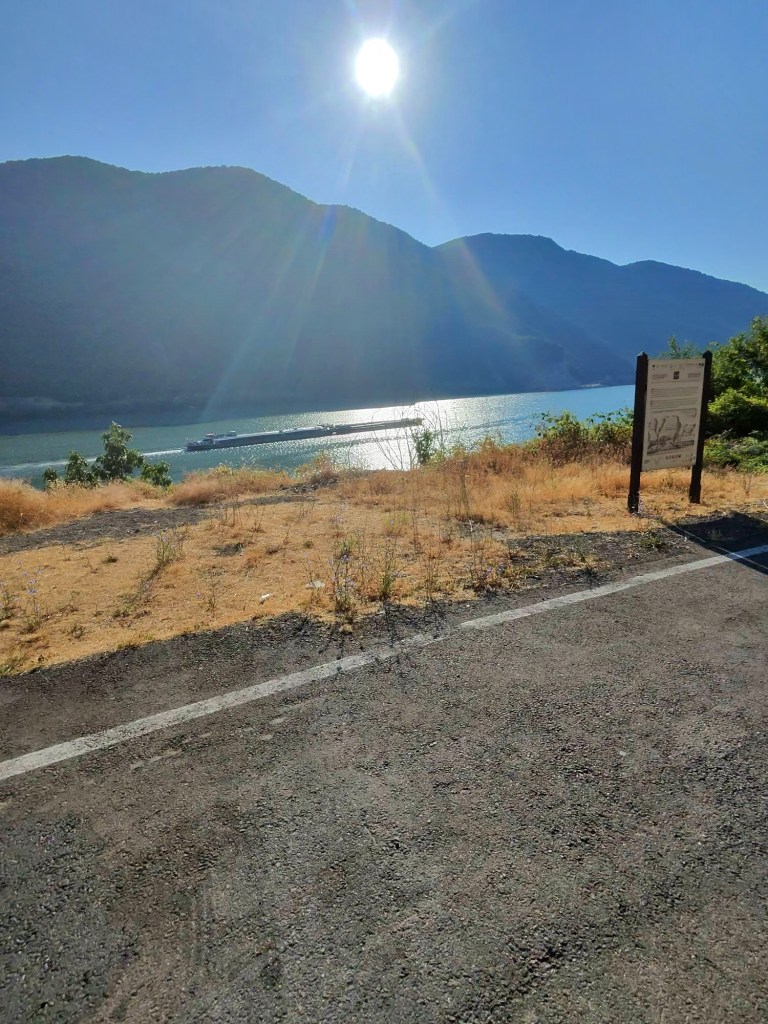
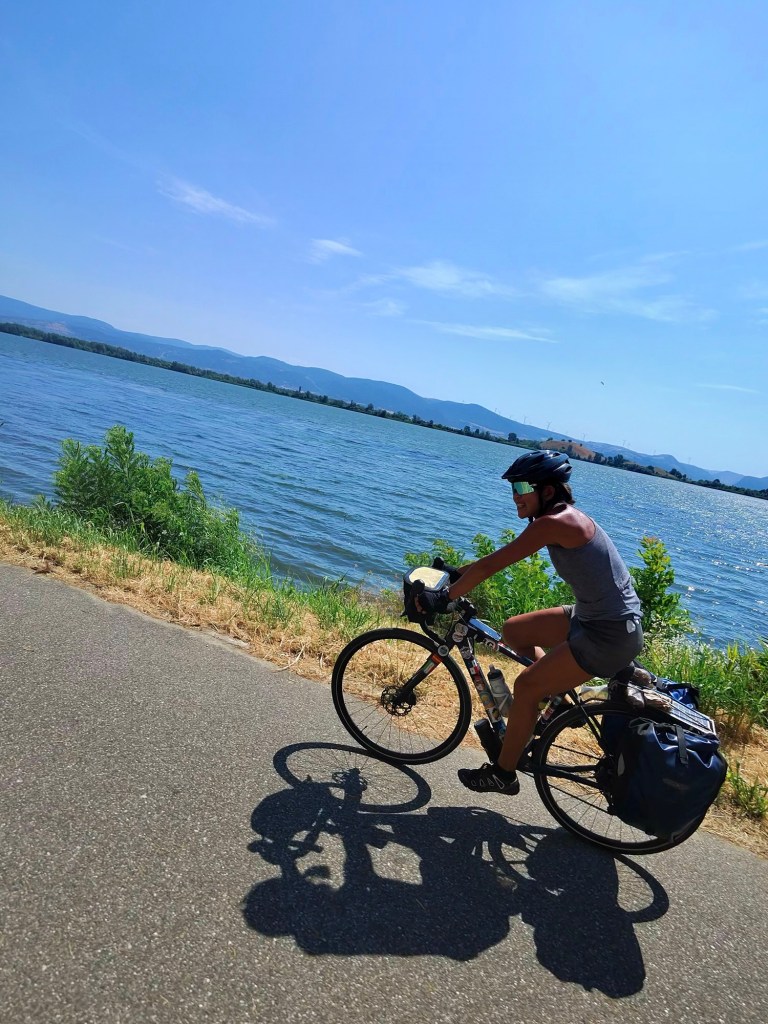
The riding yesterday was pretty darn nice. Not least because we started at 6:30 a.m. – while it was still relatively cool. Amazing views of the Danube
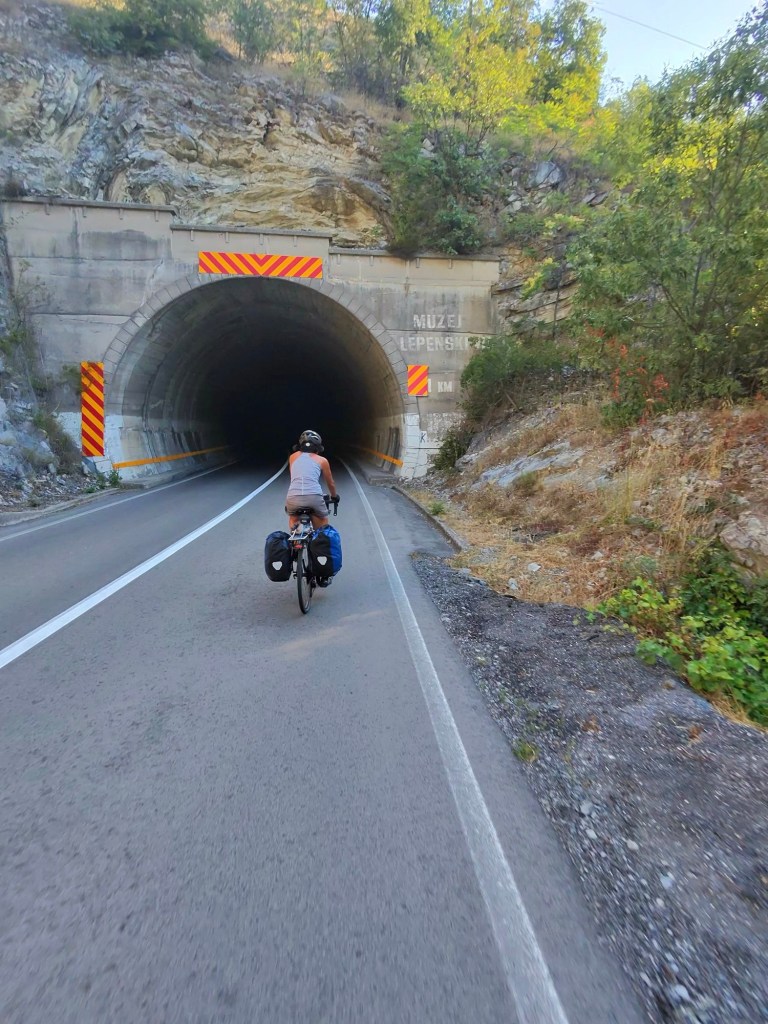
some dozen or so tunnels


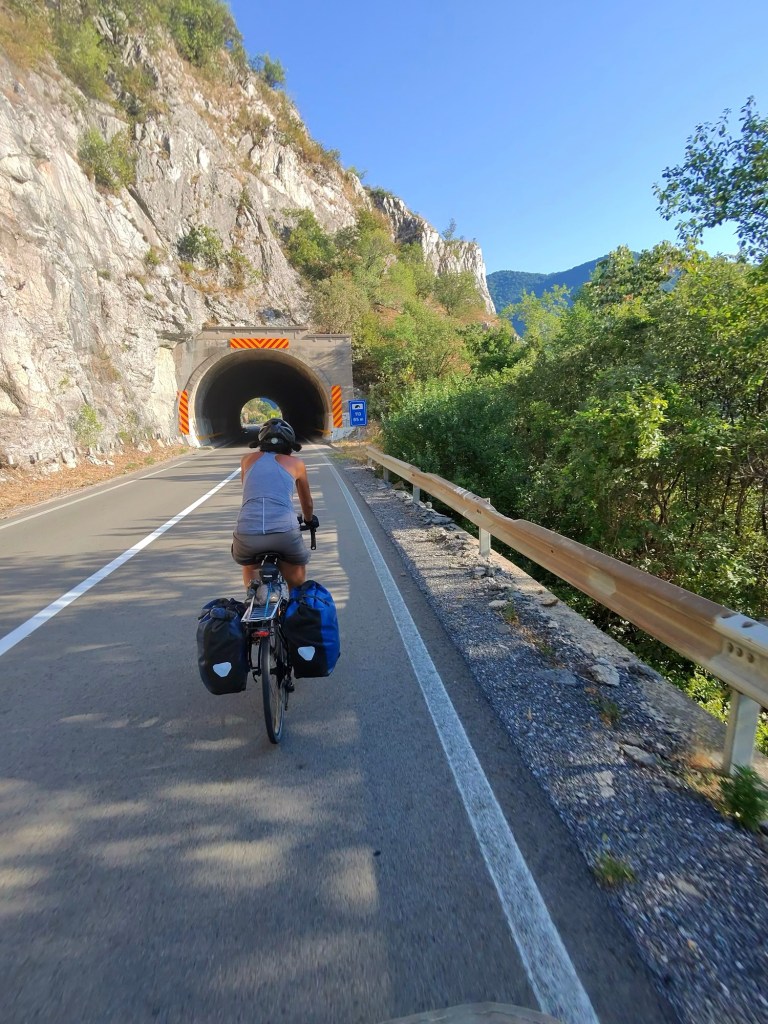
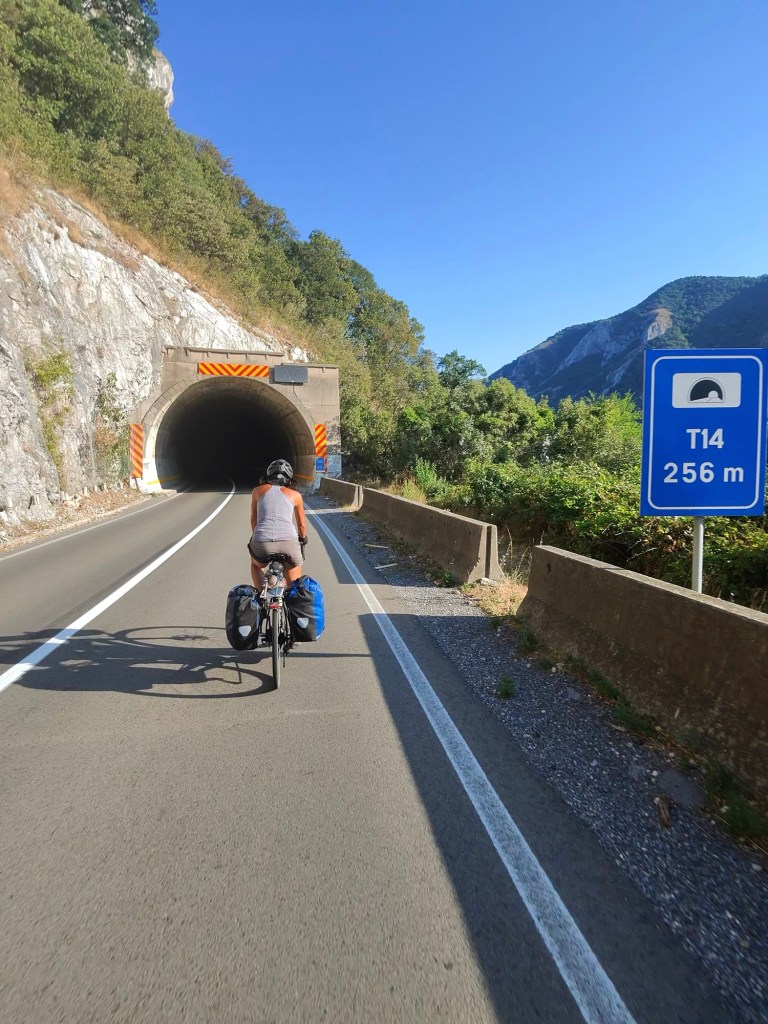

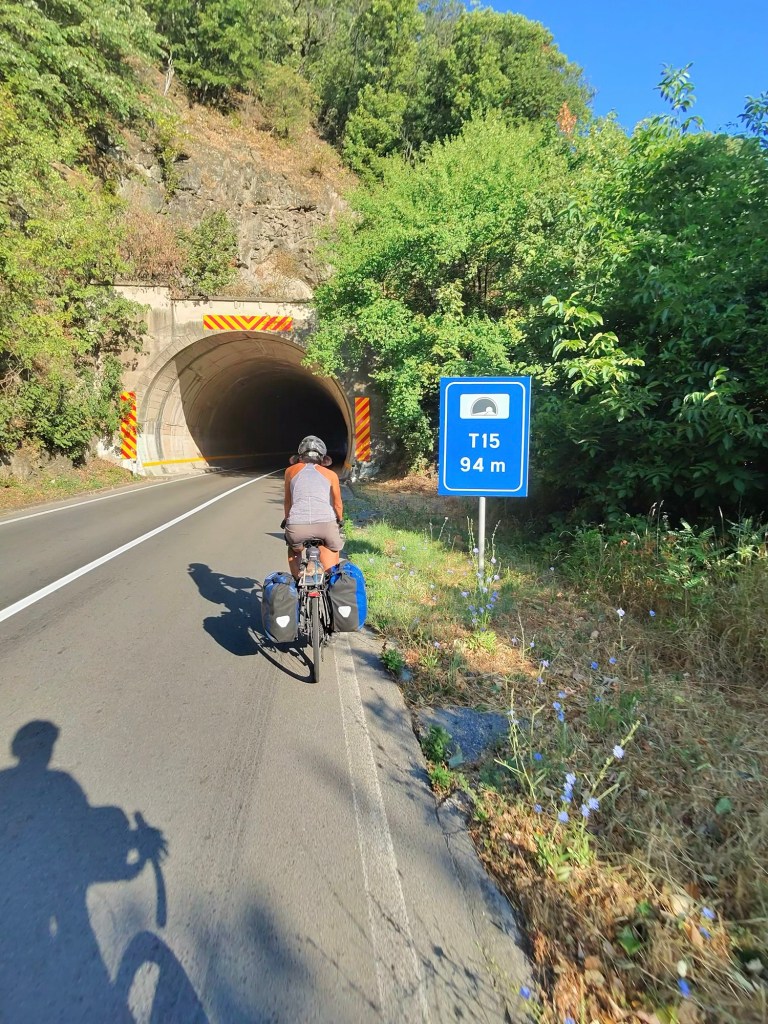
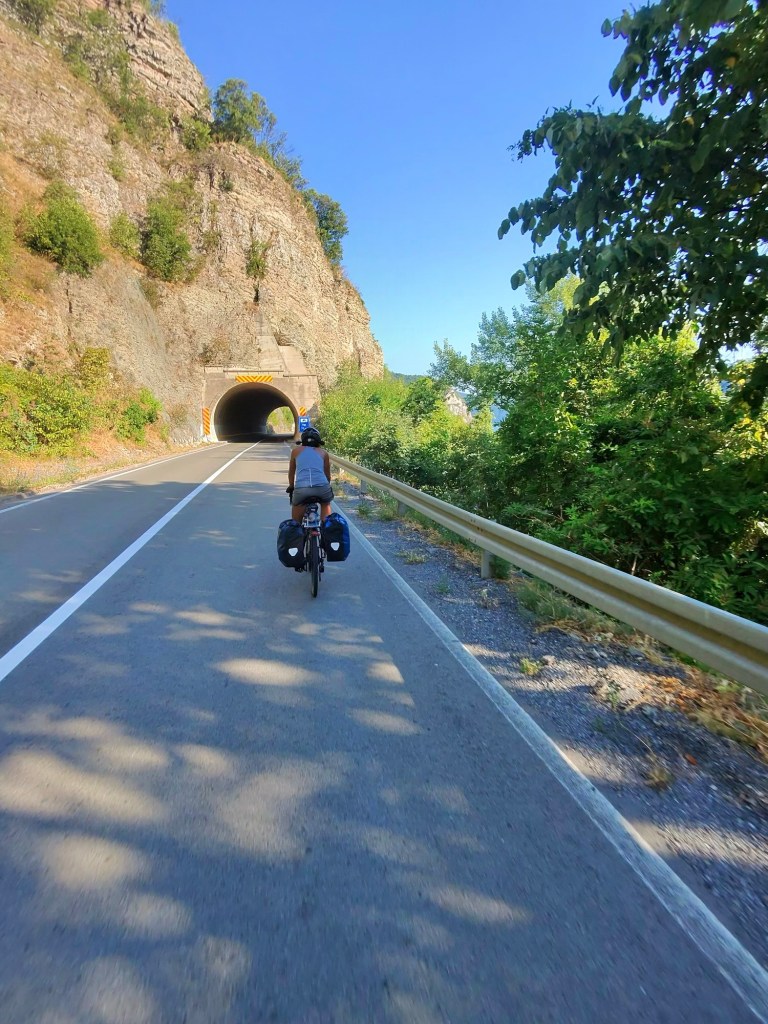


and we met a slew of other people bike touring, including:
Emil and Emil from Bulgaria. They started in Bulgaria and they’re heading to Belgrade and then we can’t remember where they might be going after that.

Rodriguez from France. He started back in France, and he’s heading to the Black Sea.

Gillian and Ian (or Gill and Ian – “Gillian”) from England. Started in England, biked down through Germany and then along the Danube. Heading to Istanbul and then coming back basically the opposite way we did.

Tom from Ireland. He started in Dublin and he is heading to Istanbul. Once there he’s planning to fly to Uzbekistan and then bike to China.

Sebastian from Poland. Started in Krakow, where he’s from, biked to Kosovo, and now he’s heading back. He bikes fast and far – whole thing will take about two weeks. Sebastian broke his front brake in Kosovo (it overheated?) so now he’s biking with only the rear. Scary.

Yes, it was still hot. But we were done early because we started so early, and, anyway, when you meet this many interesting people it’s bound to be a good day.
Now, today was not so hot.
Both literally and figuratively.
It started out rainy and cold – which prompted me to tell Diana that we should hang out in Bela Crkva (White Church), where we stayed last night, for a while. My theory was to wait for the rain to let up while I worked on the bikes. (We discovered yesterday that, unbeknownst to Diana, she has not been able to get into her hardest gears for a while – so Little Ann needed a little attention.)
That was good – even made a little progress on the bikes.

Sadly, it was still raining when we headed out at about 11.
And it rained all day.
And it was cold – with a high of maybe 60.
And we had to bike into a gusty, wet wind all day.

Worst yet, because we left so late, we didn’t roll into Belgrade until after 6 . . .
But every cloud has its rainbow. (Isn’t that a song? Seems like it should be. What am I thinking of? Lots of blog points for anyone who can figure this out . . . Seriously – I know there is some song that goes: “Every something has its something . . .”)
Today’s rainbow was named Mihaijo. A ten-year-old kid we met outside a grocery store in a little town along the way.
This boy in a Spider Man shirt approaches us and asks us something in Serbian.
”Oh, sorry, we don’t speak Serbian,” we say, as we prepare to bike off.
“Oh, okay. Well, I was asking about your bicycles. Where did you come from today?”
And so began an amazing conversation with this ten-year-old Wunderkid from a little town in Serbia.
“Did you learn English in school?”
”Oh, no, English in school is kind of a joke. I learned my English playing video games like Minecraft and [a few others that Diana and I don’t remember now.]”
“Do you play with people from other countries online?”
“Yeah, basically from all over the world.”
Pointing at his shirt we ask if he is a fan of Spider Man.
“It’s okay. I watched the first half of the movie the other night. But then I had to go to bed because I had to get up early for practice with my club.”
“What sport do you play?”
“I play soccer. I’m the center back. The other center back is my best friend, so it’s great; we play together. And my second best friend is the goalie – so the three of us make a great trio!”
Going back to Spider Man, we ask what his favorite movie is.
“Spider Man is okay,” he says.
But now this other girl that we met in the store, Nicolina, chimes in. Her favorite movie is Barbie.
Diana asks Mihaijo if he’s seen Barbie.
”No. My sister wanted to watch it, but I wasn’t interested. So then my Mom beat the hell out of me because I refused to watch Barbie.”He tells us this matter-of-factly. He’s incredulous that his Mom would do this. Mihaijo still refuses to watch Barbie.
Now, mind you, we left late, it’s raining and windy, and we have a long ways left to go. Normally, Diana would be completely impatient to leave in a situation like this. Heck, even I’d be impatient to leave, given how much we had left to go . . .
But talking to this young boy is so captivating that we just go on chatting . . .
Other townsfolk wander up – an eighth grader named Matteo , three young men
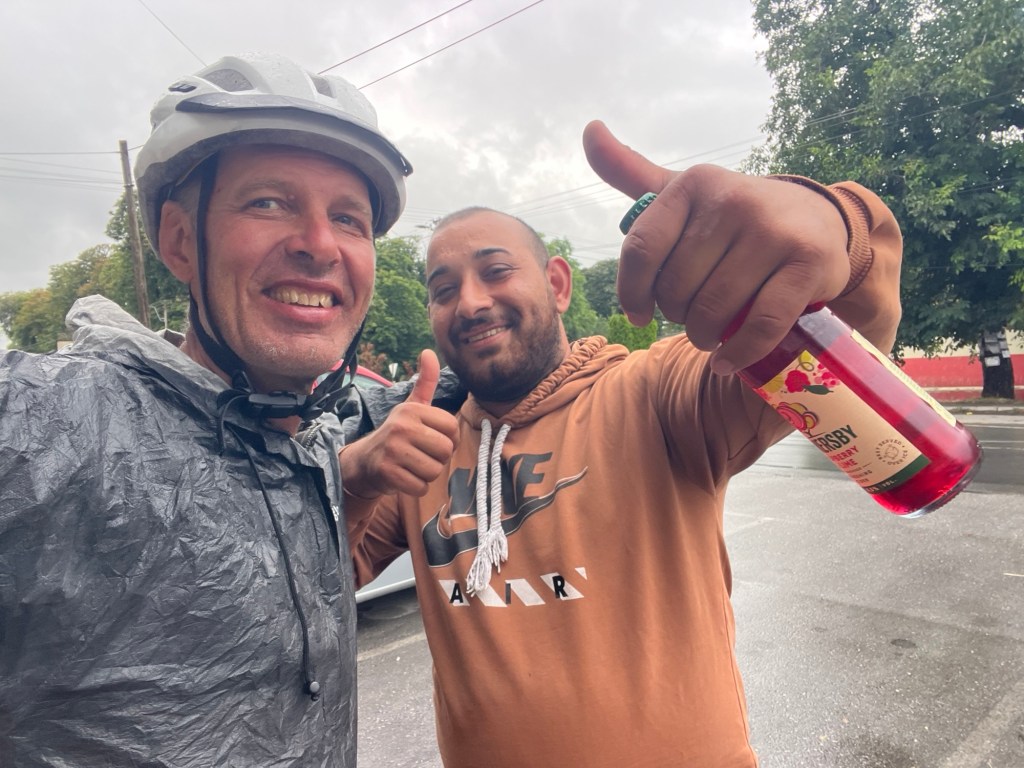
and Nicolina’s father, who is selling watermelons on the corner.

Mihaijo translates for all of them. We buy a watermelon from Nicolina’s father, and the three young men want to come to America. They say they will work for us if we can find them jobs, Mihaijo translates.
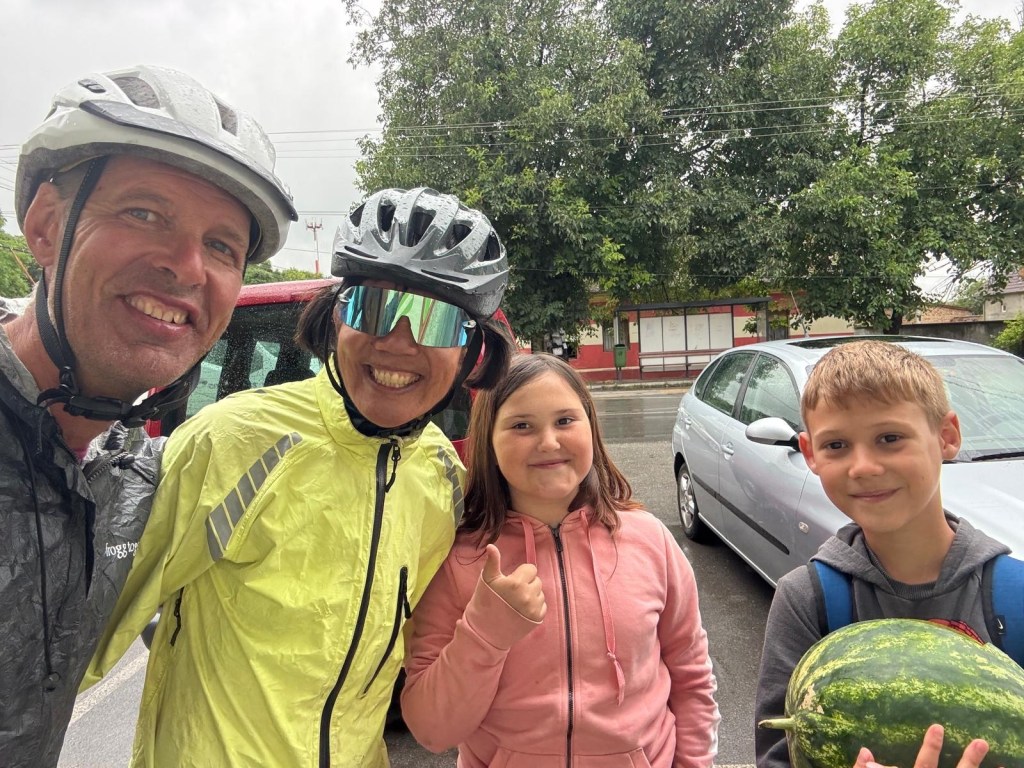
A few other things we learned from Mihaijo:
He has a soccer game coming up against Bela Crkva – the town we were just in. Bela Crkva has a smaller soccer club. Their team has more girls than boys.
Mihaijo’s favorite soccer team is Red Star from Belgrade. He was even wearing Red Star socks to prove it. Mihaijo’s bedroom at home is covered with Red Star paraphernalia, including a two meter tall Red Star logo on the wall.
Mihaijo will be on the Serbian National Team when he grows up.
Belgrade is a very dangerous place for young kids. A few years ago a boy brought a gun to school and killed a bunch of other kids and some of the staff as well. The kid’s dad gave him the gun and taught him how to use it. A weeks later some of the victims’ fathers ambushed the shooter’s dad and killed him.
Definitely one of our all-time-favorite conversations on this trip. Mihaijo and his friends managed to provide sunshine and warmth on an otherwise dreary day.
We finally did make it to Belgrade – but it was kind of brutal. I think the last three hours were straight into the wind with rain. The only saving grace was that the temperature was pretty good – in the mid-50s.
Maybe the best way to tell the story is to show you this picture I snapped of Diana as we waited at a stoplight after we finally made it to the city:

You know how Diana’s normally smiling and happy all the time? Even she had been defeated . . .
But we made it. And after a hot shower and a great dinner we’re as good as new . . .
Oh, and one more thing. Since not a single reader supported me on the whole unkept versus unkempt thing, I’ll just say this: You’re all unkempt! So there!








Discover more from Diana & John's Biking Adventures
Subscribe to get the latest posts sent to your email.
 Diana & John's Biking Adventures
Maybe the song verse you’re thinking of is: Every rose has it’s thorn? Love all of the history and present day perspectives. What a cool experience. SP
LikeLike
That’s exactly it! Thanks Sarah! Glad you enjoyed it. Definitely an interesting place.
LikeLike
“The Serbs that we have met – both in Serbia and in the surrounding areas – have been super pleasant, curious, helpful, and eager to make our acquaintance.”In all the blogs of world travelers I’ve followed it seems universal that the attitude you bring to new cultures is typically the attitude you receive from said cultures. As for government actions and behavior, YMMV. Most Americans do not appreciate how much control we actually have over the actions and attitudes of our government compared to others around the world. dallas
LikeLike
I like the comment about the attitude you bring being the attitude you get. Makes sense. People are pretty universally kind and good.
LikeLike
I think Nenad had a skewed version of history. I don’t know that what he said was all real. Kind of like learning facts from DJT.
LikeLike
Yeah, pretty sure his view is pretty skewed. I’m just trying to share what we’re hearing from people. And for sure Nenad believes what he says.
LikeLike